


Hydraulic Fracturing

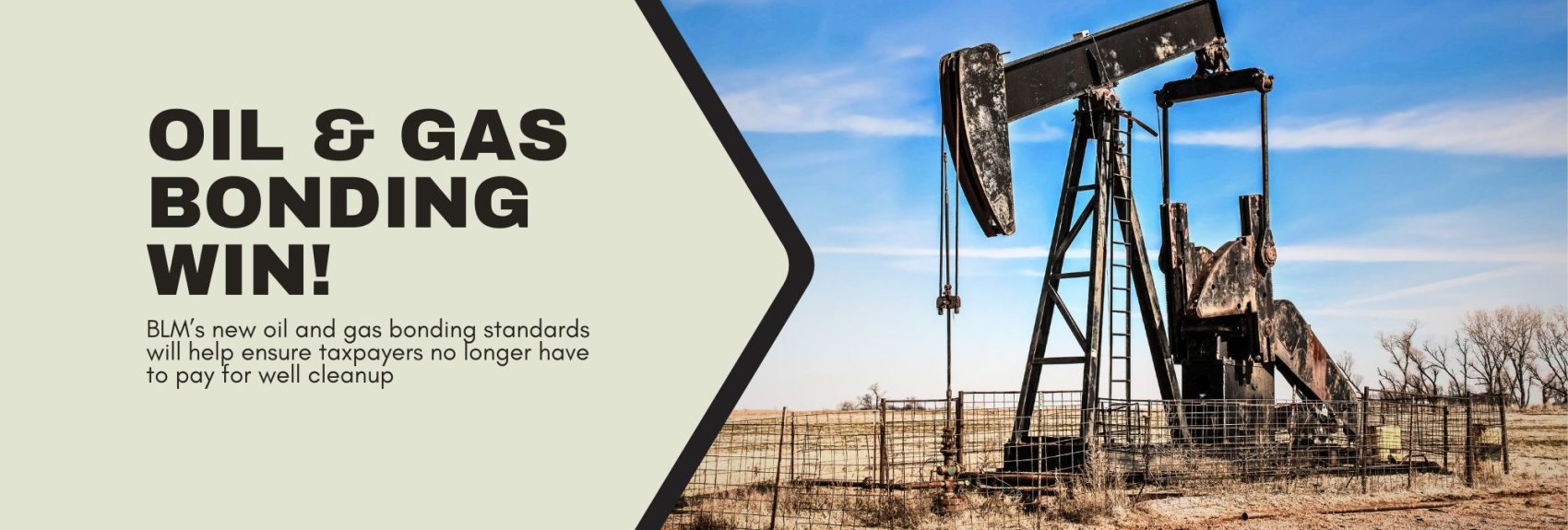
Hydraulic fracturing is used widely throughout the oil and gas industry. Hydraulic fracturing, or fracing, involves the high pressure injection of water, sand and toxic fluids into a rock or coal formation to enhance oil and gas production.

While fracing is an effective technique for increasing oil and gas production, it also has the potential to harm human health and the environment.

John Fenton farms near Pavillion, Wyoming, in the midst of the Pavillion gas field. Production tanks, compressors, and other machinery pumps poisons into the air. John and his family are worried about their health. John and his neighbors believe hydraulic fracturing is polluting the water.


Fracing near John’s house.


John Fenton’s view of Pavillion
gas field from his front porch.


This haze surrounding John's home is not unusual during fracing.


Hydrocarbons collect in stock tank on Louis and Donna Meek's place.

BACKGROUND

  • Denver Post article on the Laura Amos well
  • WORC letter to U.S. EPA on hydraulic fracturing study
  • Letter to U.S. EPA from John Bredehoeft
  • See the U.S. Environmental Protection Agency's report on the hydraulic fracturing of coal beds
  • See exchange of letters between Rep. Henry Waxman (D-CA) and U.S. EPA Administrator Christine Todd Whitman

 Further Information

Western Organization of Resource Councils
220 South 27th Street
Billings, MT 59101
406.252.9672
About WORC Campaigns Leadership Development Voter Center
Resources News Member Groups Take Action

©2008 WORC. All Rights Reserved.