


COAL
Coal mining effects farmers, ranchers, communities and the natural environment. Policies and projects which meet our energy needs through increased energy efficiency, distributed energy and renewable energy sources are faster, cleaner and cheaper than mining more coal.
But the need for domestic energy production to decrease reliance on foreign energy, along with the rising price of oil and natural gas, has led the coal industry, utilities and some politicians to renew calls for increased coal production.
As part of the Wall Street rescue bill, H.R. 1424, passed in October 2008, Congress gave incentives for coal, tar sands refineries and carbon sequestration. Fortunately, the bill also extended vital renewable energy and energy efficiency tax incentives.
Background
Environmental and community organizations in Appalachia and the West fought for years to win a federal stripmine act, and WORC’s member groups have worked to improve its enforcement since the act’s passage in 1977.
Now, dozens of new coal-fired power plants are planned around the West, and coal promoters are reviving failed plans from the 1980’s to build liquid coal plants to make transportation fuel out of coal.
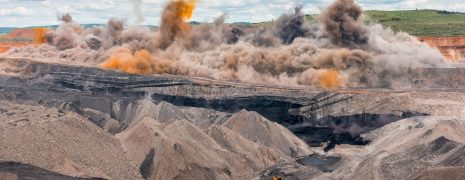
The most dramatic current illustration of the impacts of coal mining is mountaintop removal mining in Appalachia, a destructive practice in which entire mountaintops are dynamited, and all the soil and overburden above the coal seams is bulldozed into valleys, threatening water quality and the safety of downstream communities.
Instead of mountaintop removal, in the West we have aquifer removal. In most cases in the West, the coal seams are aquifers, tapped by wells and natural springs. These coal aquifers are a critical source of groundwater for livestock production and wildlife. In most cases, these aquifers are not protected by federal or state laws and regulations. The laws require reclamation of the surface and replacement of damaged water supplies, but do not require reconstruction of the aquifers.
Coal Stripmining
On August 3, 1977, President Jimmy Carter signed the Surface Mining Control and Reclamation Act (SMCRA) into law. The signing culminated a fight of several years by citizens in Appalachia and the West to control the ravages of stripmining.
However, a report by the Natural Resources Defense Council and WORC found that state and federal agencies are not achieving the SMCRA’s goals to protect society and the natural environment from damage by coalmining.
Testifying before the House Natural Resource Committee on the 30th Anniversary of the Surface Mining Control and Reclamation Act (SMCRA), Ellen Pfister, a rancher representing both the Northern Plains Resource Council and WORC, cited three failures with the act.
- SMCRA does not control impacts of the surface effects of longwall mining except at the mouth of the mine.
- The act did not anticipate the expansion of mountaintop removal in Appalachia.
- Coal mining companies do not reclaim water resources because the Office of Surface Mining Reclamation and Enforcement, the administering agency, has inadequately enforced the law.
See WORC news release
OSM director should stand up for citizens, not corporations
WORC has joined with groups across the nation to oppose the nomination of Joseph Pizarchik to head the Office of Surface Mining Reclamation and Enforcement.
Wyoming rancher briefs Congress on impacts of coal
On President Obama’s 100th day in office, L.J. Turner joined with five other grassroots citizens to demand power past coal from the Nation’s leaders.
Check the status of coal stripmine reclamation in Montana.
Resources
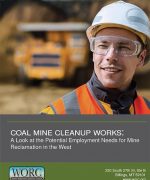
- Bound to Fail: The Costs and Risks of Capturing and Sequestering Carbon from Coal-fired Power Plants, a WORC whitepaper and accompanying fact sheet.
- The True Costs of Coal: Don’t Forget Coal Ash, a WORC fact sheet.
- Is there a Future for FutureGen?, a WORC briefing on a cancelled plan to build a coal-fired power plant and store carbon dioxide emissions.
- Clean Coal Projects: Cleaning Out the Pockets of Taxpayers, a fact sheet by Taxpayers for Commonsense.
- Al Gore sounds off on mountaintop removal and coal to liquids in a brief video by Netroots Nation.
- "Clean Coal” doesn’t exist, a short video by CLEAN.
LIQUID COAL
Clean, renewable biofuels and increased efficiency are cheaper, cleaner, faster ways to replace oil than building multibillion dollar plants to make liquid fuel from coal. Building commercial-scale liquid coal plants would be too expensive, take too long, and require huge public subsidies.
Earlier this year, the coal industry tried to get subsidies for liquid coal through the 2008 Farm Bill, but House Conference Committee members held firm against the subsidies.
Background
Liquid coal plants would require massive amounts of water, more mountaintop removal mining in Appalachia, and stripmining hundreds of square miles of farm and ranch land in the West. Yet liquid coal plants would yield far less fuel and far fewer jobs per dollar than biofuels plants and energy efficiency.
Subsidies for Liquid Coal Fail in Senate
In June 2007, the U.S. Senate rejected amendments to H.R. 6 to mandate production of liquid fuels from coal and to authorize federal loans for liquid coal plants.
- An amendment mandating production of 6 billion gallons of liquid fuels from coal annually by the year 2022 failed 55-39.
Learn how your Senators voted
- An amendment providing $10 billion in direct loans to plants that gasify coal and/or biomass failed 61-33.
Learn how your Senators voted
Read WORC’s statement
Resources
‘Boondoggle’, ‘snake-oil’, ‘filthy fuel’ – the nation’s newspapers editorialize on liquid coal.
“Clean Coal” doesn’t exist, a short video by CLEAN.
What's dirtier than coal by the ton?, NRDC fact sheet.
See WORC’s Fact Sheet, “Liquid Coal: Too expensive, too slow, too dirty.”
Taxpayers oppose liquid coal subsidies.
New York Times: Lawmakers Push for Big Subsidies for Coal Process, May 29, 2007
Northern Plains' Analysis of Coal-To-Liquid Synfuels Process.
Why coal liquids are not a viable option to move America beyond oil, a fact sheet by the Natural Resources Defense Council.
Links
Find out why Pennsylvanians are organizing to stop the first coal to liquids plant proposed in the U.S.


.jpg)